
Simple Skincare Routine: The Everyday Essentials for Healthy-Looking Skin
You buy a cleanser because someone recommends it. Then you add a serum because you saw it on Instagram. Then a few days later there’s an exfoliator, face mask and yet another moisturizer sitting on your shelf.
And your skincare routine has somehow become a 10-step project.
If that sounds familiar, then hear me out : You probably don’t need more products. You need a simpler skincare routine that you can actually follow through with.
When you are new to skincare it’s easy to assume that every skin concern needs a different product. In fact, the basics are much more important than having a crowded bathroom shelf.
Let’s start to build simple skincare routine

What does a simple skincare routine really need?
I would start with three simple steps for most beginners:
Cleanse → Moisturize → Protect
That’s all.
A cleanser helps wash away sweat, excess oil, make-up and daily build up. A moisturizer helps to support the skin barrier and reduce dryness. Sunscreen protects skin that is exposed to ultraviolet radiation.
Once those basics are working well for you, then you can decide whether you actually need additional products.
That’s an important distinction.
Nice to have comes after need.
How do I learn what products I really need?
Start by looking at your skin, not someone else’s routine.
Is your skin feeling tight after washing? Does your forehead get oily during the day? Do you get the occasional breakout? Is your skin reactive to new products easily?
These observations provide you with more useful info than copying a routine from someone with totally different skin.
Usually a beginner can begin by identifying three things:
- Your skin type overall
- Your paramount concern
- How sensitive your skin appears to be
And don’t worry if you’re not quite sure.
Skin changes with weather, hormones, stress, products and other factors. You don’t have to start out in the perfect category.
What do I use in the morning?
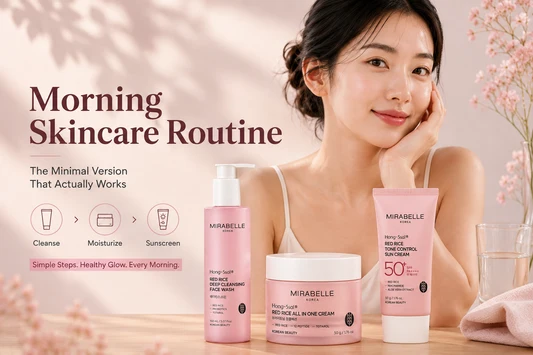
Keep your morning skincare routine simple.
- Step 1: Clean up
If you wake up feeling good, you might not need an aggressive cleanse every time.
Some people find a mild cleanser works for them. Some might prefer just rinsing with water in the morning and washing properly at night.
The trick is to avoid washing your face so vigorously that your skin feels tight or uncomfortable afterward.
Pro tip: That squeaky clean feeling isn’t always a sign your cleanser is doing a better job.
- Step 2: Moisturize
Choose a moisturizer that feels good on your skin.
If you have dry skin you may want something richer and if you have oily skin you may prefer something lighter.
If your skin is oily, that doesn’t mean you should skip moisturizer.
- Step 3: Sunblock
I would take this step seriously especially if you are spending time outdoors.
Use a broad spectrum sunscreen with an appropriate SPF as directed on the product.
If you’re outdoors for a long time, sweating or swimming, you’ll want to reapply even more often.
And remember: sunscreen isn’t only for the beach holidays.
What is my night skincare routine?
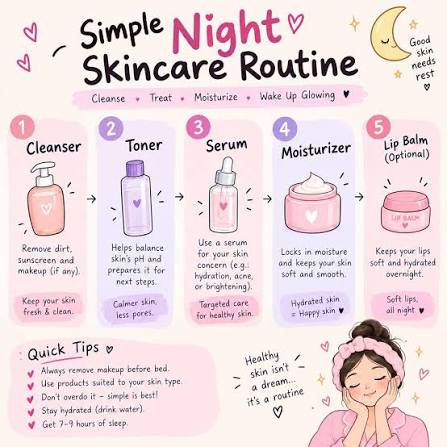
You can simplify your evening skincare routine even further.
- Step 1: Take off makeup and sunscreen
If you have been using makeup or sunscreen make sure that your cleansing routine removes them effectively.
Some people like to do a first cleanse and then a gentle cleanser. It is contingent upon what you wear and how your skin reacts.
- Step 2: Wash
Use a cleanser suited to your skin type.
Don’t scrub hard thinking that you are getting more dirt off. You don’t have to treat your skin like a countertop.
- Step 3: Moisturize
Finish off with your moisturizer.
If you are a complete novice I would be totally happy to see you just follow these basic night skincare routine for a while and not add anything else.
Should I use a serum?
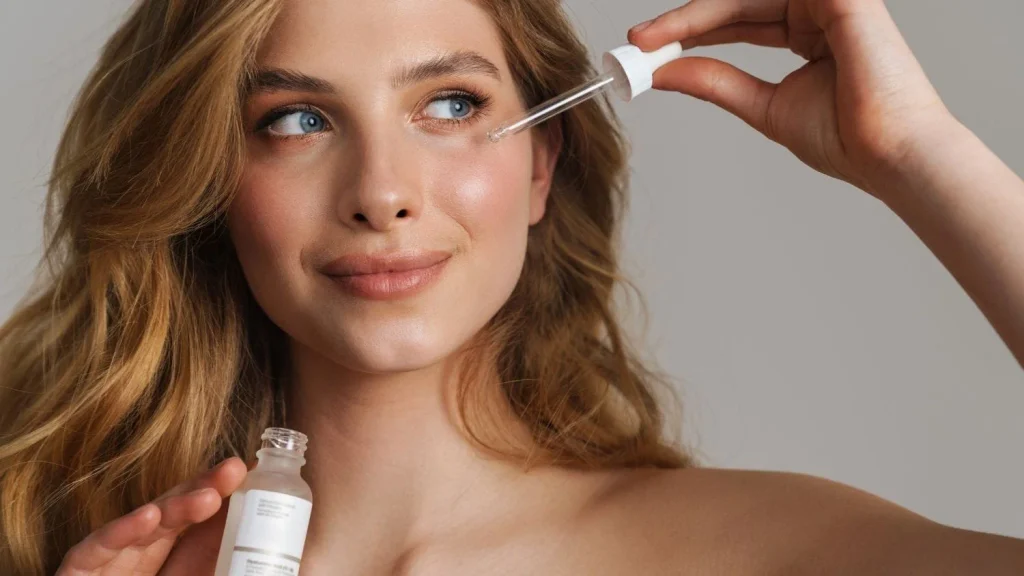
Not quite yet.
That’s where many beginners get overwhelmed.
Serums can be helpful because they are often targeted around specific ingredients or concerns. But just because everyone on the internet is using a serum doesn’t mean your skin needs one.
Ask yourself the following:
- What question am I trying to answer?
If you can’t answer that, you may not need to add the product right now.
Someone concerned about chronic acne may need a different solution than someone concerned primarily with dryness.
And if a skin concern is major or ongoing, you may be better off seeking the advice of a dermatologist or other qualified healthcare professional than buying five products and hoping one of them will work.
- How often should I use an exfoliant?
This is one of the most common errors beginners make.
Some people believe that the more exfoliation you do, the more effective it will be because it can remove dead skin cells.
That’s not how it works.
Over-exfoliating can irritate the skin and leave it feeling dry, sensitive or uncomfortable.
If you want to use an exfoliating product, don’t just automatically use it every day; start slow and follow the directions.
And don’t just throw together a few strong products because they sound good on their own.
- Why is my skin getting worse after starting a new skincare routine?
This is where I would tell you to take a moment before adding anything else.
If you’ve launched 4 new products at the same time, you won’t know which one your skin is reacting to.
So it’s a good habit to change one thing at a time.
Where possible, introduce new products one at a time, following product directions, and see how your skin responds.
If severe irritation, swelling, pain, or prolonged reaction occurs, stop using the suspected product and get professional medical advice.
Your skincare routine should make sense for your skin, not a test of how much it can take.
- How long do I wait before adding another product?
First, give yourself time to learn the basics.
If your cleanser, moisturizer and sunscreen are doing the job, you have a good base.
Then, if you have a specific concern, you can decide whether an additional product is appropriate.
Also, it makes troubleshooting a lot easier.
Now suppose you add:
Wash new
A serum of vitamins.
Exfoliant
A face mask .
A moisturizer in a new make-up
all within one week.
Then you have skin that is irritated.
What product made it?
You don’t know the half of it.
Now imagine you introduce them one at a time.
Then the situation is much clearer.
Simple is NOT boring. Simple is more manageable.
What skincare routine mistakes do beginners need to avoid?

- Products that are always changing
Unless something else or irritation is clearly happening, put the products in place for success.
If you’re jumping from product to product every few days you don’t know what’s working.
- Imitating someone else’s routine
Your favorite influencer might have a completely different skin type than you and a different lifestyle and environment.
Take inspiration from others’ routines, not prescription.
- Excessive use of product
More does not automatically mean better.
Follow product directions and use an appropriate amount.
- Hard scrubbing
If your skin feels raw after you’ve washed it or exfoliated it, don’t celebrate.
A gentle application is usually a better starting point.
- skipping the sunscreen
Sunscreen is an optional extra, but serums and masks are easy to splurge on.
Don’t get distracted by the complicated products from the basics.
Oily skin?
If you have skin that gets shiny quickly you may be tempted to use the strongest cleanser you can find.
I wouldn’t go that way.
Start with a gentle cleanser and a moisturizer that feels great on your skin. Find a sunscreen with a texture you can stand to wear because consistent application is key.
If you’re struggling with frequent or ongoing breakouts, don’t keep ramping up your routine every time you spot a new blemish.
If you have acne that won’t go away, you might want to see a doctor about it.
What if I have dry skin?
If your face frequently feels tight, flaky or uncomfortable, your first priority should generally be supporting your skin’s moisture barrier, not layering up exfoliating products.
To begin, use a gentle cleanser and moisturizer.
Check the rest of your routine too.
Hot water, frequent washing and harsh products can all make it harder to sustain a regime that feels dry.
What if I have sensitive skin?
This is where I would be extra careful with trends.
If you have reactive skin, it’s not a good experiment to introduce several active ingredients at the same time.
Keep it simple and introduce changes slowly.
And when you’re looking at a product, pay attention to its instructions and ingredient list rather than just picking it because it’s popular.
If you have repeated burning, itching, swelling or other significant reactions, see a dermatologist or other appropriate health care professional.
When to see a professional?
Skincare routine doesn’t need to be so complicated that you need to make an appointment.
But there are times when it is appropriate to seek professional advice.
If you have persistent or severe acne, persistent irritation, unexplained changes in your skin, painful lesions, or a concern not improving with a basic routine, consider seeing a dermatologist.
Beauty professionals are also able to advise on general skin care habits and product choices but medical skin conditions should be assessed by an appropriately qualified healthcare professional.
This is an important difference.
So, what does my skincare routine look like?
If you’re starting from scratch, don’t make it complicated.
- Morning skincare routine
Cleanse or rinse gently → Moisturize → Sunscreen
- Night skincare routine
Hydrating → Cleansing → Sunscreen → Get rid of makeup
STOP.
So live with that simple Discussed skincare routine for a while.
Once the basics feel comfortable and consistent, you can decide if you really need another product for a specific concern.
You don need a whole shelf of products to take care of your skin well.
You need a simple and easy skincare routine that you get, products your skin can handle, and enough consistency to actually stick with it.
Start small. Take care of your skin. Change one thing at a time .
That’s a much better base for starting simple skincare routine than following every new skincare routine trends that pops up on your feed.