

5 Common Skincare Mistakes To Avoid That Could Be Affecting Your Glow

You could be using a perfectly good skincare routine and still be making skincare mistakes that make you wonder why your skin doesn’t look the way you want it to.
Surprising? So it’s easy to think that just adding another product will solve the problem, but not all skincare products are created equal. Sometimes the little things you do between cleansing, moisturizing and treatments can make a bigger difference than adding one more product to your shelf.
Before you begin overhauling your entire routine, it helps to know what your skin actually needs—and what common habits may be working against it.
What No One Tells You About Starting to Chase That “Glow”

Most people search for the right cleanser, serum, moisturizer or facial to get glowing skin.
Skincare results are rarely about one product.
A lot of things go into your skin. How you wash, how often you scrub, if you put on moisturizer, how you apply active ingredients, how faithful you are to your routine.
Skincare Mistakes can expand.
Here are five common skincare mistakes worth a look.
- Over-Cleansing Your Face
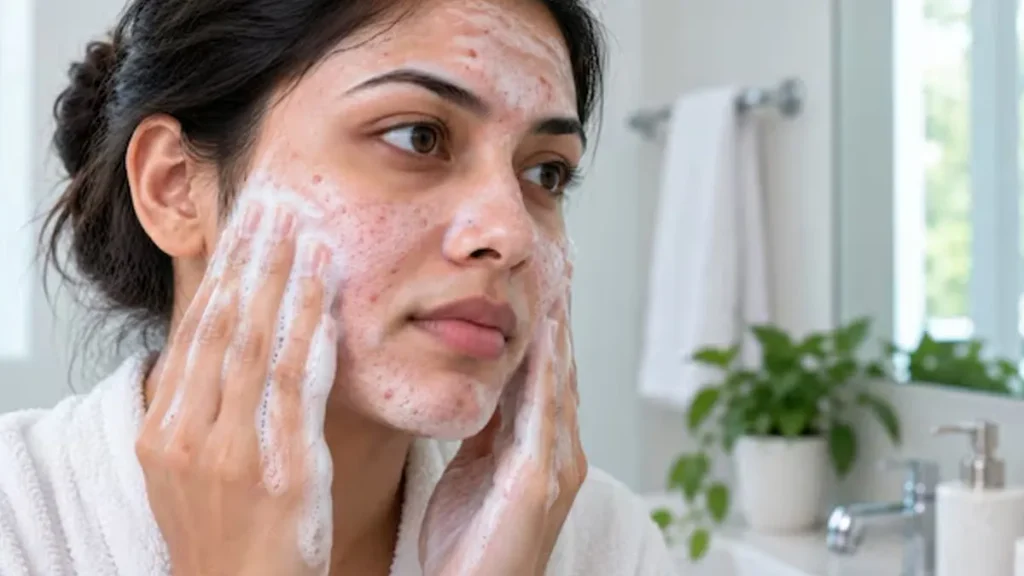
It’s when your skin gets oily, sweaty or dirty that washing your face seems like the natural thing to do.
But there’s a difference between clean skin and over-clean skin.
What people usually expect
The assumption is easy:
Washing more will keep your skin cleaner and fresher.
What really happens
If you wash your skin too often or too hard it can become dry, tight and uncomfortable. Rather than repeatedly trying to remove every trace of oil, it’s better to use a gentle cleanser and avoid unnecessary washing.
A small detail beginners miss
Notice how your skin feels after you cleanse it.
If you always feel very tight or stripped right after, your cleansing routine may be too harsh for your skin.
What you could do instead
- Choose a mild cleanser appropriate for your skin type.
- Try to avoid washing your face too much during the day unless you have to.
- Use lukewarm water instead of very hot water.
- Be gentle in cleansing, don’t scrub hard.
- After cleansing, follow up with moisturizer when your skin needs it.
The idea is not to make your skin feel “squeaky clean.” It’s to clean it without disturbing its comfort unnecessarily.
- Over-exfoliating

Exfoliation can make your skin feel softer, so it’s easy to believe that more exfoliation will give you an even softer complexion.
That’s where things can go wrong.
People say:
“Exfoliating more means glowing more.
What really happens
Using too many exfoliating products or exfoliating too often can make your skin feel irritated or uncomfortable.
Beginners may also not realize that different products may have different exfoliating ingredients. “More” is not necessarily better if you don’t understand how several strong products work together.
A little detail beginners overlook
It’s not enough to judge an exfoliating routine on how smooth your skin feels immediately afterward.
Watch how your skin behaves over time.
If your skin is consistently dry, sensitive, red or uncomfortable, it might be a sign that you need to simplify your routine.
What you can do differently is:
- Begin by using exfoliation sparingly.
- Read the instructions on the product you use.
- Avoid automatically mixing multiple exfoliating products.
- Give your skin time before adding another active ingredient.
- Moisturize if your skin needs it after exfoliating.
A simple routine that your skin gets along with is often easier to maintain than an overloaded one.
- Skipping moisturizer because your skin doesn’t need it
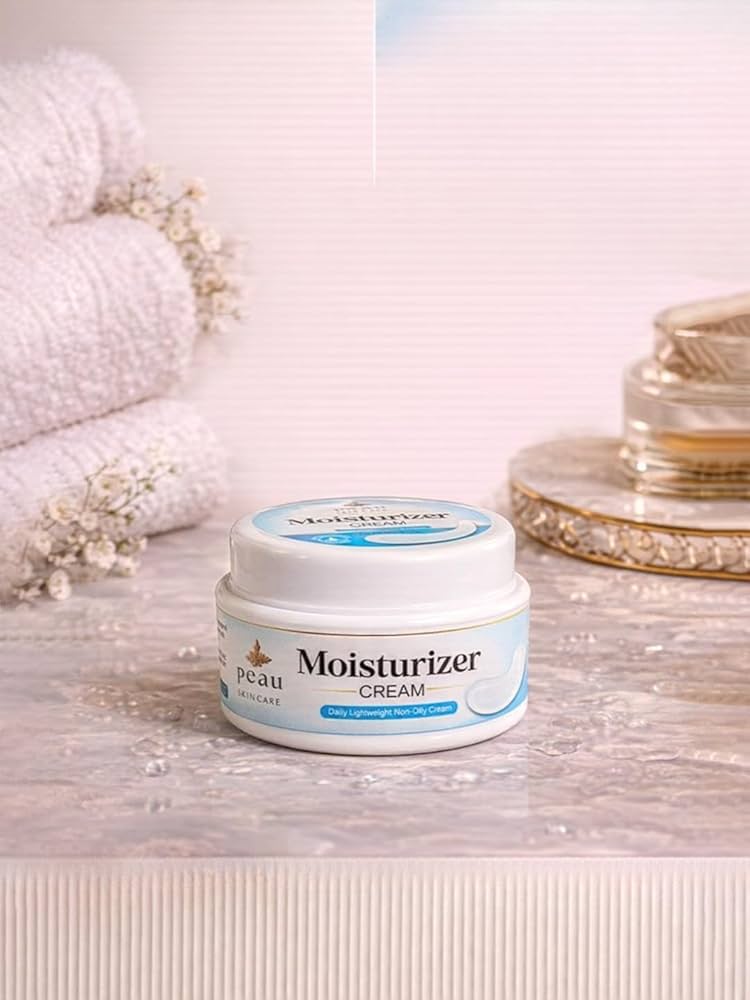
This is one of the most common skincare mistakes.
If your skin is already shiny, moisturizer might feel like an extra step.
What people usually expect
The idea is this:
“My skin is oily, so when I moisturize it, it’s just going to get oilier.
What is really happening
Oily skin still requires moisture. Oiliness and hydration are not quite the same thing.
A moisturizer helps to support the surface of the skin, however how oily your skin is, is another matter.
A small detail that beginners overlook
Texture is important.
If you have oily skin, you might want something light, like a gel or lotion, but if your skin is dry, you might want something richer.
It doesn’t mean you need to stop using moisturizer altogether.
What you could do differently.
- Select your moisturizer based on what your skin feels and does.
- If heavier creams aren’t your thing, opt for lighter textures.
- “Use moisturizer regularly, and not just when your skin feels very dry.”
- Try one new product at a time so you can observe how your skin reacts.
- Instead of asking “Do I need moisturizer?” better questions to ask are:
- “What moisturizer suits me?” or “What moisturizer suits my skin?”
- Changing Your Products Too Fast

You have been using a product for a few days.
You’re not getting the results you want.
So you change it.
Then another product catches your eye.
And suddenly, you have five new products on your skincare shelf—but you don’t know which one is actually doing anything.
What people usually expect
Skincare is often approached like an overnight transformation:
New product → instant result.
What actually happens is
Some skin care products are for different purposes and your skin may need time to adjust to a routine.
Constantly changing products also makes it hard to know what your skin actually likes or doesn’t like.
A little detail beginners miss
Consistency is key in skincare.
This is one of those things that may be easier to do on a regular basis than it is to do some complicated routine that changes from day to day.
What you can do differently
- When you are introducing something new:
- Otherwise, keep it simple.
- Introduce only one new product at a time.
- Follow the directions on the product.
- Notice the reactions of your skin.
- If irritation develops, discontinue use and consult a doctor.
- Don’t go adding another product to “fix” the reaction right away.
If you have persistent or worrisome skin problems, a qualified dermatologist can help you determine what might be happening.
- Skipping Sun Protection

You may have the most detailed skincare routine and still forget one of the most basic steps of the day: sun protection.
What people usually expect to get
Then there’s the idea that you only need sunscreen for holidays, beach trips and particularly sunny days – this myth is widespread.
What really happens
The sun shines on us all the time. If you’re spending time outdoors, then sun protection can be an important part of a daytime skincare routine.
A little detail missed by novices
Sunscreen is not a substitute for other sun-safety habits.
Your routine can also include practical steps like seeking shade, wearing protective clothing and limiting unnecessary direct sun exposure.
What you can do better
Morning:
- Cleanse → skincare products you use → moisturizer if necessary → sunscreen
- Select a sunscreen that you are comfortable applying regularly and follow the directions for use.
- If you’re going to be outside for a long time, check the product for reapplication instructions.
- Purify
If necessary, use a gentle cleanser. - Deal
If you’re using a skincare treatment or serum, follow the instructions on the product packaging. - Stay hydrated
Pick a texture that feels good against your skin. - Defend
Finish off with sunscreen when appropriate.
Night:
- Wash
Removes makeup, sunscreen, dirt and extra oil. - Treatment
Follow the instructions for your treatment of choice. - Drink water
Maintain a comfortable and consistent routine.
Get the basics right, and then you think about whether you need further steps, like exfoliating or other focused treatments.
It’s not about how many steps your routine has, the important thing is
It’s about whether each step is purposeful and your skin likes it.
Before Your Next Facial Or Skin-Care Treatment
You might want to make professional skin care treatments a relaxing part of your routine, but there are a few things to keep in mind.
Don’t assume that a treatment is a substitute for your daily skin care regimen.
- Before a service, let the professional know about any relevant products or treatments you are using, especially if you have recently introduced strong active ingredients.
- And after a treatment, follow the aftercare instructions you are given, not immediately returning to every product in your usual routine.
And the experience doesn’t end when you walk out of the salon or treatment room. And how you take care of your skin afterward matters too.
What You Can Begin Doing Today
You don’t need to start an entirely new skincare routine.
Do these five checks first:
- Are you overcleaning?
- Are you over-exfoliating?
- Do you avoid moisturizer because you have oily skin?
- Are you switching products every few months?
- Are you protecting your skin from the sun at all times?
If yes, to any of them, change one small thing at a time.
Don’t be chasing the next product or trend, give yourself a chance to understand what works for your skin. And try to avoid these 5 most common skincare mistakes
What’s the bottom line?
Looking good isn’t always about putting more on your skin.
Sometimes it’s about sticking to the basics, not losing your cool for no reason, and understanding what your skin actually needs.
And if you want a bit of professional guidance, Aavya is here to make your beauty experience more personal; right from choosing the right service, to thoughtful skincare and salon care.
And are you prepared to have your Aavya experience? Explore our services to identify the one that is right for you.