
Hair Spa vs Hair Treatment: What Does Your Hair Really Need?
You sit in the salon chair with dry ends, a little frizz and hair that has stopped looking as healthy as it used to.
The stylist asks, “Would you like a hair spa or a treatment?”
And suddenly you’re expected to know the difference.
Both sound like they’re meant to improve your hair. Both come with professional-sounding names. But they aren’t necessarily designed for the same purpose.
So before you choose a hair spa or treatment based on whichever option sounds more luxurious, let’s look at what each one is actually meant to do.
Hair Spa vs Hair Treatment: What’s the Difference?
The simplest way to think about it is this:
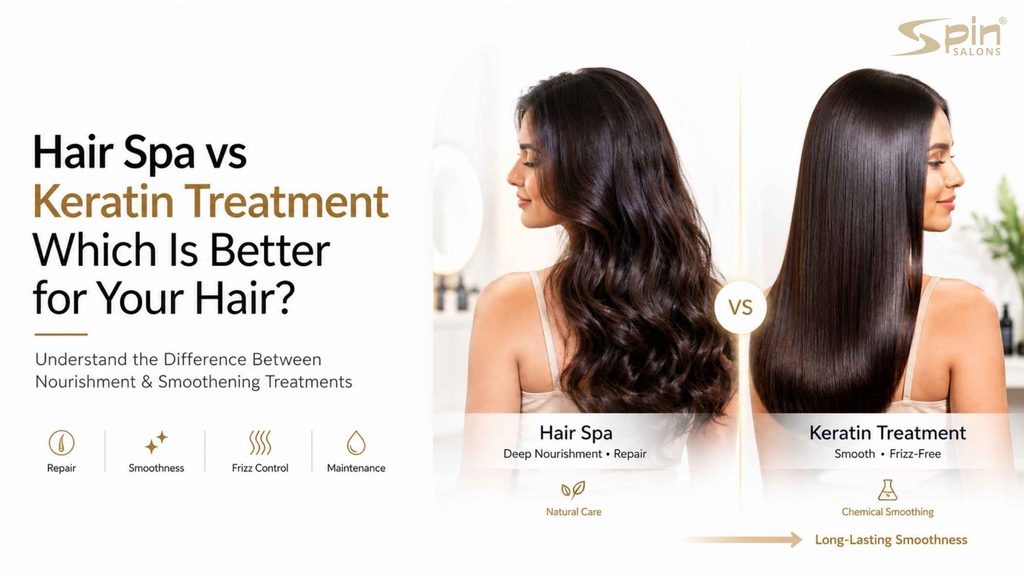
A hair spa is generally focused on conditioning, hydration and improving the feel and appearance of the hair. A hair treatment is a broader term that can refer to a specific approach aimed at addressing a particular hair or scalp concern.
The exact products and steps vary between salons, so the name alone doesn’t tell you everything.
A hair spa might involve cleansing, conditioning, a nourishing product and massage, followed by rinsing and styling.
A treatment could be designed around concerns such as excessive dryness, chemical damage, frizz, scalp issues or another specific need.
That’s why asking “Which is better?” isn’t quite the right question.
The better question is:
“What is my hair actually asking for? Hair spa or treatment or something else”
What Does a Hair Spa Actually Do?
A hair spa is commonly used as a conditioning and maintenance service.
The goal is usually to leave the hair feeling softer, smoother and easier to manage.
Depending on the salon and products used, a session may include:
- Hair and scalp cleansing
- Conditioning or a hair mask
- Scalp massage
- Rinsing
- Basic styling
The experience can be useful when your hair feels dry, rough or difficult to manage.
For example, imagine your hair has been exposed to heat styling throughout the week and feels noticeably less soft than usual.
A conditioning-focused service may make more sense than immediately jumping into a specialised treatment.
But here’s the important part:
A hair spa isn’t a cure for every hair problem.
If your hair is severely damaged from repeated chemical processing, or you’re experiencing an ongoing scalp concern, simply booking repeated spa sessions may not address the underlying issue.
So What Is a Hair Treatment?
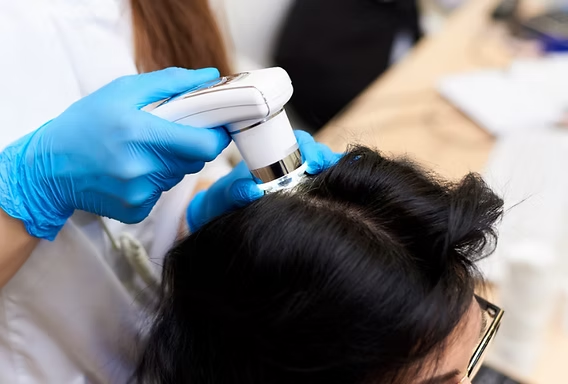
“Hair treatment” isn’t one single service. It is different from hair spa
That’s where the terminology can become confusing.
A salon may use the term for different services designed around different concerns. And you may get confused between hair spa and treatment
For example, one treatment may focus on repairing the appearance and feel of chemically processed hair, while another may be intended to manage frizz or provide a particular finish.
Some treatments are primarily cosmetic. Others may involve more specialised products or techniques.
So don’t choose a treatment simply because the word “treatment” sounds more powerful.
Ask the salon:
What is this treatment designed to address, what products are being used, and what should I realistically expect afterward?
That conversation tells you much more than the service name.
Which One Does Your Hair Need?
Start with the problem you’re actually trying to solve.
If your hair feels dry and rough
A conditioning-focused hair spa may be worth considering.
Think about how your hair feels after washing.
Does it feel rough when you run your fingers through it? Are the ends dry? Does it become difficult to detangle?
Those are signs that your routine may benefit from better conditioning and moisture management.
But persistent dryness can also have several causes, including frequent heat styling, chemical processing, harsh products or environmental exposure.
A salon hair spa can improve how the hair feels, but your everyday hair-care habits still matter.
If your hair is chemically processed
Colouring, bleaching, straightening and other chemical services can change the condition and structure of the hair.
If your hair has been processed repeatedly, simply asking for “a hair spa” may not give you the type of care you actually need.
Tell your stylist what you’ve done to your hair.
For example:
“I coloured my hair three months ago and have been using heat styling several times a week.”
That information is much more useful than simply saying, “My hair is damaged.”
Your stylist can then recommend a service based on the actual condition of your hair.
If frizz is your main concern
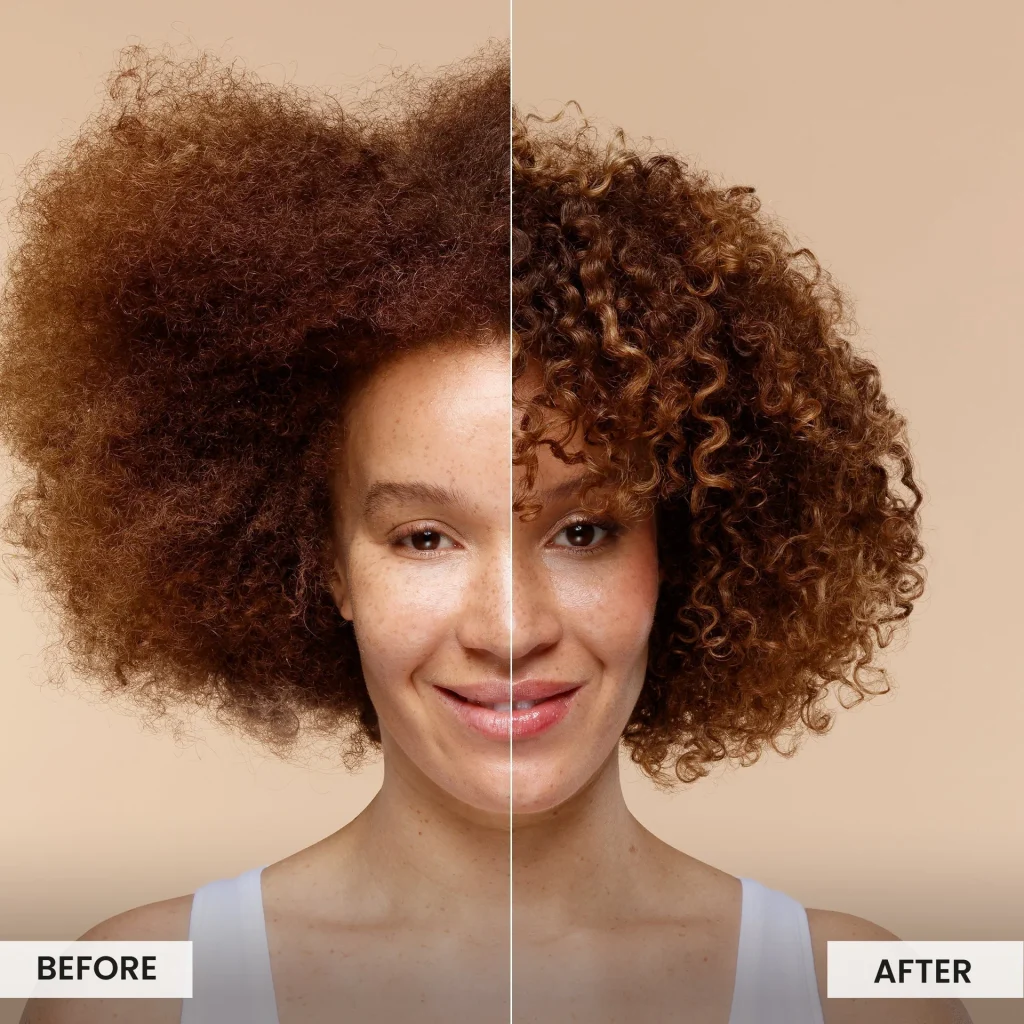
Frizz isn’t automatically a sign that your hair needs an intensive treatment.
Hair texture, humidity, dryness, styling technique and the products you’re using can all affect how your hair behaves.
If your hair is generally healthy but becomes difficult to manage in humid weather, improving conditioning and adjusting your styling routine may help.
If the frizz is accompanied by significant dryness or damage, a professional can assess whether a more targeted service makes sense.
If you’re dealing with a scalp problem
This is where you should slow down.
A salon hair spa isn’t a substitute for medical treatment.
If you’re experiencing persistent itching, significant flaking, sores, unusual hair loss or other ongoing scalp symptoms, speak with a dermatologist or another appropriate healthcare professional.
A cosmetic service may make your hair feel better temporarily, but it isn’t necessarily addressing the cause of a scalp condition.
What Mistakes Do People Make When Choosing a Hair spa or treatment?
Choosing the most expensive option
More expensive doesn’t automatically mean more appropriate.
Ask what the service is designed to do and whether it matches your concern.
Treating “damaged hair” as one problem
Hair can feel dry, become brittle, lose its smoothness or become difficult to manage for different reasons.
Tell your stylist what you’ve been doing to your hair rather than using one broad label.
Expecting one appointment to transform everything
A salon service can improve the feel and appearance of your hair, but it doesn’t replace regular care.
If you continue using excessive heat, skip conditioning and repeatedly process already fragile hair, one appointment won’t solve the bigger problem.
Booking treatments without mentioning previous services
This is particularly important if you’ve recently coloured, bleached, straightened or chemically treated your hair.
Your stylist needs that information before recommending another hair spa or treatment.
How Do You Choose Between a Hair Spa and a Treatment?
Try this simple checklist before booking.
Ask yourself:
1. What is bothering me most?
Dryness? Roughness? Frizz? Chemical processing? Scalp discomfort?
2. What have I done to my hair recently?
Colouring, bleaching, straightening, perming and frequent heat styling are all useful information.
3. What result do I actually want?
Do you want softer-feeling hair? Easier detangling? Better manageability? A specific cosmetic finish?
4. Is there an ongoing scalp or hair-loss concern?
If yes, professional medical advice may be more appropriate than a salon treatment.
5. What exactly does the salon’s service include?
Don’t hesitate to ask.
A good salon should be able to explain what the service is designed for.
Hair Spa vs Hair Treatment: A Quick Comparison
| Hair Spa | Hair Treatment | |
|---|---|---|
| Main purpose | Conditioning and improving manageability | Depends on the specific treatment |
| Best suited for | Hair that feels dry, rough or difficult to manage | A particular hair or cosmetic concern |
| Is it one standard service? | Usually follows a general conditioning-focused format, but varies by salon | No — “treatment” can mean many different services |
| Should you discuss your hair history? | Yes | Definitely |
| Is it a substitute for medical care? | No | No, when the concern is medical |
The biggest thing to remember is that “hair treatment” is a category, not a single universally defined service.
Always ask what a salon means by the term.
What Can You Do at Home Between Salon Visits?
This is the part people often overlook.
Your salon appointment might last an hour, but your hair spends the rest of the month in your normal routine.
A few basics can make a difference:
Be sensible with heat
If you regularly use straighteners, curling irons or blow dryers, use appropriate heat protection and avoid unnecessary high heat.
Condition regularly
Choose a conditioner suited to your hair and use it according to the product instructions.
Don’t ignore your ends
If your ends are repeatedly splitting or breaking, discuss trimming with your stylist rather than trying to hide the problem with increasingly heavy products.
Be careful with chemical services
If you’re regularly colouring or chemically processing your hair, tell your stylist about your previous services before adding another one.
Pay attention to changes
If your hair or scalp suddenly behaves very differently from normal, don’t automatically assume it needs another salon treatment.
Sometimes the right answer is a professional assessment.
When Should You Ask a Professional Instead of Choosing for Yourself?
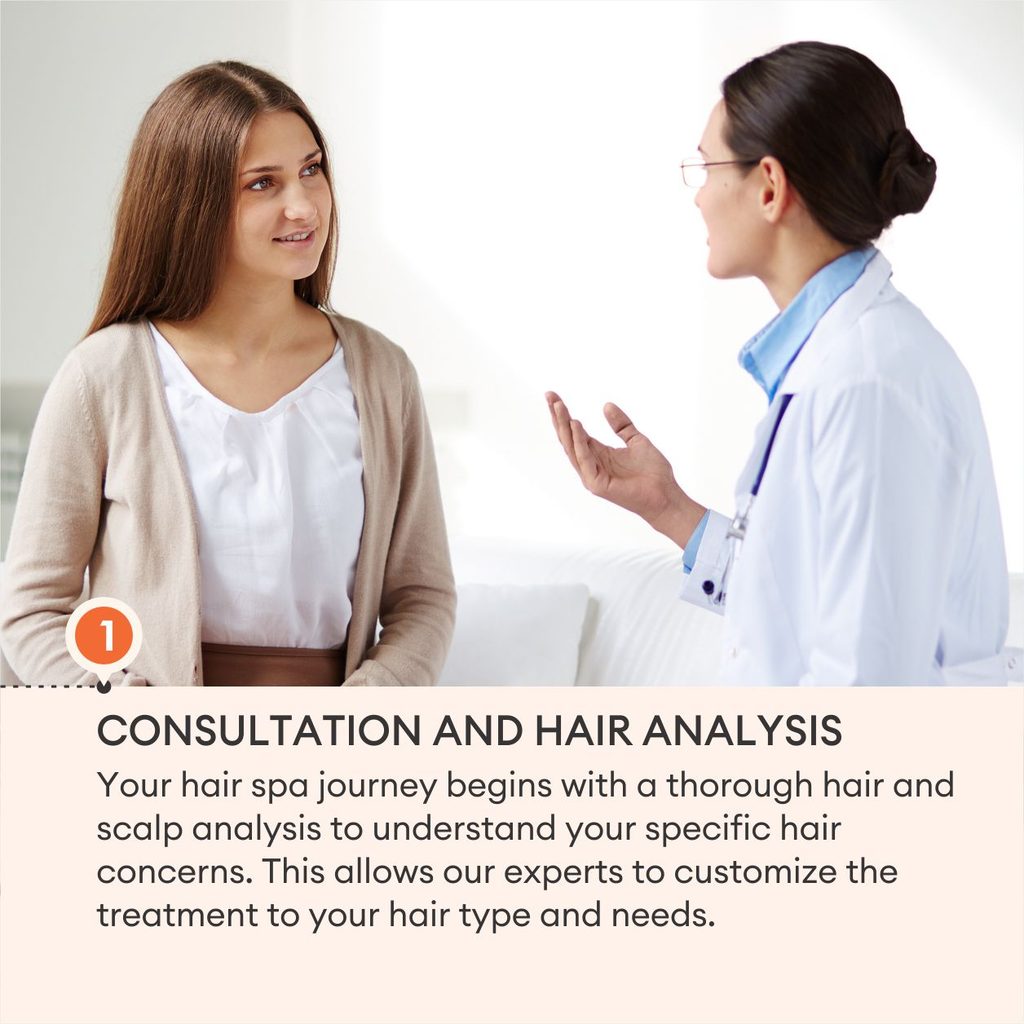
If you’re simply looking for softer, more manageable hair, a salon consultation may be enough to help you choose between services.
But if you’re experiencing:
- Persistent or significant hair loss
- Severe scalp itching
- Pain or sores
- Persistent unexplained flaking
- Sudden changes in hair or scalp condition
- Significant breakage
it’s worth speaking with a dermatologist or appropriate healthcare professional.
For routine hair-care concerns, your stylist can still be valuable because they can see your hair’s texture, condition and previous chemical history in person.
Give them the full picture.
So, Should You Choose a Hair Spa or Hair Treatment?
Don’t choose based on the name.
Choose based on what your hair needs and what the service is actually designed to do.
If your main concern is dryness, roughness or manageability, a conditioning-focused hair spa may be appropriate.
If you’re dealing with chemically processed hair or another specific concern, ask about a targeted treatment and what it is intended to achieve.
And if the problem involves your scalp or significant hair loss, get professional medical advice rather than trying to solve it with salon services like hair spa alone.
Your hair doesn’t need the longest service menu. or a hair spa
It needs the right care for its actual condition.