
Which Facial Should You Choose for Your Skin Needs?
You walk into a salon, look at the facial menu and suddenly find yourself choosing between hydration, brightening, deep cleansing, glow, anti-ageing and several names that sound equally tempting.
Your skin, unfortunately, hasn’t provided a shortlist.
So which facial should you actually choose?
The answer isn’t “the one with the most impressive name.”
A facial should be selected according to what your skin needs right now — whether that’s hydration, gentle exfoliation, cleansing, calming or simply a little maintenance.
And sometimes, the facial you were planning to get isn’t the one your skin needs most.
First, Forget the Idea of a “Best” Facial
There isn’t one facial that works best for everyone.
Think of them like choosing shoes.
You wouldn’t wear the same pair for a wedding, a morning walk and a rainy day just because you liked the shoes.
Your skin is similar.
Its needs can change with the weather, your routine, travel, stress, product use and other factors.
So instead of asking:
“Which facial is the best?”
Ask:
“What do I want this facial to help with?”
That one change makes choosing much easier.
If Your Skin Feels Dry and Tight: Look for Hydration
Your skin feels comfortable after cleansing — until a few minutes pass.
Then comes the tightness.
Your makeup may settle into dry areas, and your face can feel rough rather than soft.
This is when a hydrating facial may be worth considering.
Hydration-focused facials generally emphasise moisturising and conditioning the skin rather than aggressive exfoliation.
What to look for
Depending on the salon’s treatment, this may include:
- Gentle cleansing
- Hydrating masks
- Moisturising products
- Soothing ingredients
- Gentle massage
A small tip
If your skin is already dry or sensitive, don’t assume that stronger exfoliation will automatically make it smoother.
Sometimes your skin needs less stripping and more support.
If Your Skin Looks Dull: Consider a Brightening Approach

You look in the mirror and your skin isn’t necessarily breaking out or particularly dry.
It just looks… tired.
This is where a brightening facial can be appealing.
Brightening treatments may focus on gentle exfoliation and products intended to improve the appearance of dull or uneven-looking skin.
But there’s an important distinction:
Brighter-looking skin doesn’t mean changing your natural skin tone.
The goal is generally a fresher, more even appearance.
Before an important event?
Don’t automatically try an unfamiliar face spa the day before.
If your skin is prone to reacting, give yourself enough time to see how it responds.
Your glow shouldn’t come with a surprise rash.
If Your Skin Feels Congested: Think Cleansing, Not Scrubbing
Maybe your T-zone feels oily.
You notice clogged-looking pores around your nose and forehead. Your skin doesn’t feel particularly dry, but it doesn’t feel fresh either.
A facial focused on cleansing and gentle exfoliation may be more appropriate.
What matters here?
Look for a treatment that focuses on:
- Gentle cleansing
- Appropriate exfoliation
- Skin hydration
- Careful removal of surface buildup where suitable
And don’t assume that a more aggressive extraction is automatically better.
Overly forceful handling can irritate the skin.
If you regularly experience clogged pores or acne, it’s worth discussing your skin with a dermatologist rather than relying entirely on salon face spa menus.
If Your Skin Is Sensitive: Choose Calm Over Complexity

Sensitive skin changes the conversation.
If your skin easily becomes red, itchy, burning or uncomfortable after trying new products, you probably don’t want a facial built around several strong or unfamiliar steps.
Instead, ask about a gentle, soothing face spa designed with sensitivity in mind.
Before your appointment, mention:
- Products you’re currently using
- Any known sensitivities
- Recent skin treatments
- Whether your skin has reacted to certain spa’s before
This gives the professional useful information before they begin.
And if your skin is currently irritated, inflamed or reacting to something, postponing a cosmetic face spa and getting appropriate professional advice may be the better option.
If You Have Acne-Prone Skin, Be Careful With “Deep Cleaning”
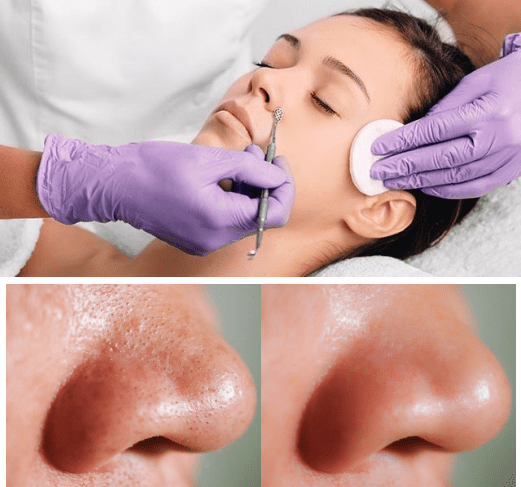
This is one of those areas where beauty advice can become too simplistic.
Acne isn’t simply a matter of having “dirty” skin.
Scrubbing harder or repeatedly squeezing clogged pores isn’t the solution.
If you’re prone to breakouts, a facial should be selected carefully.
A gentle, non-irritating approach may be more suitable than aggressive exfoliation or extraction.
If you’re experiencing persistent or severe acne, a dermatologist can assess the underlying condition and recommend appropriate treatment.
A facial can be part of a beauty routine.
It shouldn’t replace medical care when you need it.
What About an Anti-Ageing Facial?
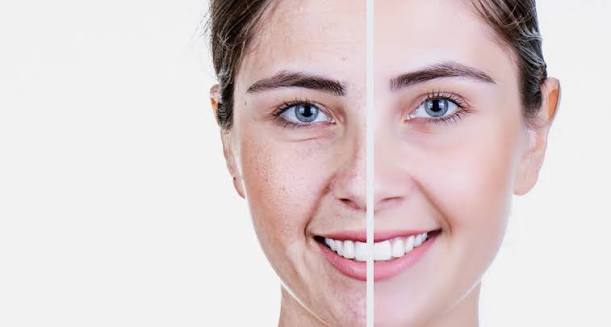
“Anti-ageing” is a broad term, and salons may use it to describe different combinations of massage, hydration, exfoliation and skincare products.
If your goal is skin that looks smoother, hydrated and well cared for, ask the salon exactly what the facial involves rather than relying on the label.
Ask three simple questions:
What is this facial designed to address?
Which products or techniques are used?
What should I realistically expect afterward?
Good skincare decisions start with knowing what you’re actually paying for.
What If You Just Want That Fresh, Post-Facial Look?

Sometimes there isn’t a major skin concern.
You simply want your skin to feel clean, comfortable and refreshed.
That’s completely valid.
A maintenance-focused facial can be appropriate when your skin is already relatively balanced and you want some professional care without targeting a specific concern.
Think of it as maintenance rather than correction.
You don’t need to wait until your skin is having a bad week before taking care of it.
How Does Your Skin Type Change the Choice?
Your skin type is useful, but it shouldn’t be the only deciding factor.
Oily skin
You may prefer lighter, cleansing-focused options, particularly if you experience excess oil or congestion.
Dry skin
Hydration and gentle cleansing may be more appropriate than frequent aggressive exfoliation.
Combination skin
Your cheeks and T-zone may have different needs, so a professional may adjust the approach rather than treating your entire face exactly the same way.
Sensitive skin
Gentle, calming care is generally the safer starting point, especially if you react easily to new products.
Normal or balanced skin
You have more flexibility. A maintenance facial can focus on hydration, gentle exfoliation or simply keeping your skin feeling fresh.
But remember:
Skin type and skin condition aren’t always the same thing.
Your skin can be oily and dehydrated, for example.
That’s why an in-person assessment can sometimes be more useful than choosing a facial from a menu alone.
Should You Get a Facial Before a Big Event?
This depends on your skin and the treatment.
If you’ve had a particular facial before and know your skin responds well to it, planning it ahead of an event can make sense.
If it’s completely new, don’t make the day before your wedding, party or important occasion your first experiment.
Allow enough time for your skin to settle.
And tell your beauty professional about the event so they can consider the timing and treatment intensity.
What Should You Tell Your Facialist?
You don’t need to arrive with a technical description of your skin.
Just be specific.
Instead of:
“My skin is bad.”
Try:
“My cheeks feel dry, but my forehead gets oily.”
Or:
“My skin has been reacting to products recently.”
Or:
“I mainly want hydration. I don’t want aggressive exfoliation.”
Also mention recent procedures, new skincare products and anything that has caused irritation in the past.
Those small details can change how a professional approaches your skin needs.
A Simple Facial Selection Guide
| Your main concern | Facial approach to discuss |
|---|---|
| Dry or tight-feeling skin | Hydrating, moisturising facial |
| Dull-looking skin | Gentle brightening/exfoliating facial |
| Oily or congested skin | Cleansing-focused facial |
| Sensitive or reactive skin | Gentle, soothing facial |
| Occasional maintenance | Hydrating or basic maintenance facial |
| Persistent acne or skin condition | Discuss with a dermatologist |
The exact treatment varies by salon, products and your skin’s current condition, so use this as a starting point rather than a strict prescription.
When Should You Skip the Facial?

Sometimes the right beauty decision is to wait.
If your skin is:
- Severely irritated
- Sunburned
- Broken or wounded
- Experiencing an unexplained reaction
- Significantly inflamed
a cosmetic Face Treatments may not be appropriate.
And if you’re dealing with a persistent skin condition, consult a dermatologist or appropriate healthcare professional.
A good beauty professional should be comfortable telling you when a treatment isn’t the right choice.
The Takeaway: Listen to Your Skin Before the Menu
The most useful question isn’t:
“Which facial is trending?”
It’s:
“What does my skin need today?”
Dryness calls for a different conversation from congestion. Sensitive skin needs a different approach from dull-looking skin. And sometimes, no facial is the right answer until an existing irritation settles.
Choose the facial for the skin you have today — not the skin you wish you had.
That simple shift can make your salon appointment much more useful.
If you’re unsure where to start, bring your concerns to a professional at Aavya Beauty and ask for a skin-focused consultation before choosing your facial. A few minutes of conversation can help you select a treatment that makes sense for your skin rather than simply picking the most appealing name on the menu.