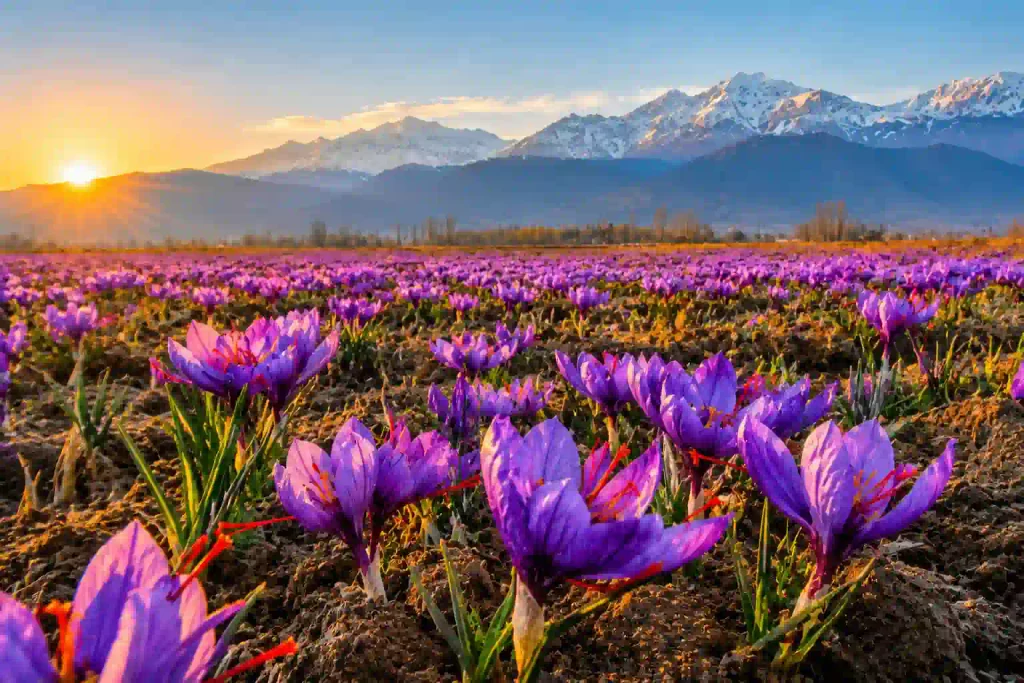

Best Time to Visit Kashmir: A Complete Seasonal Travel Guide
Kashmir is a destination where every season offers a different experience, from colourful tulip gardens and green valleys to golden autumn landscapes and snow-covered mountains. Whether you’re planning a family holiday, a romantic honeymoon, or an adventurous trip, choosing the best time to visit Kashmir can help you make the most of your journey.
Generally, March to October is a popular period for sightseeing, pleasant weather, and exploring the region’s natural beauty. However, December to February is ideal for travellers who want to experience snowfall and winter activities in destinations such as Gulmarg. The right time ultimately depends on the experiences you want from your holiday.
1. Spring in Kashmir (March to April)
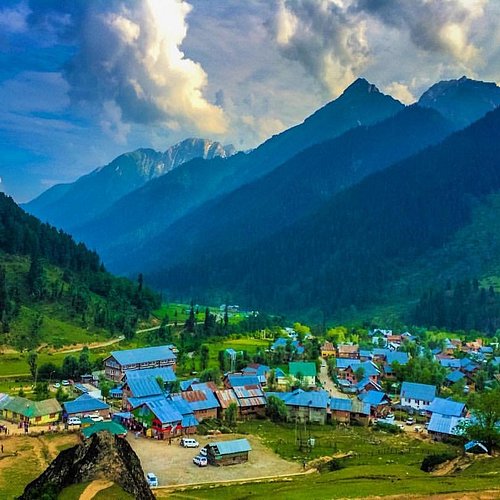
Spring is one of the most beautiful seasons to explore Kashmir. As winter gradually fades, flowers begin to bloom, gardens become colourful, and the surrounding landscapes start turning green.
One of the biggest attractions during this season is the Indira Gandhi Memorial Tulip Garden in Srinagar. Usually opening around late March or early April, the garden attracts visitors with its colourful displays of tulips. The exact flowering period varies each year depending on weather conditions.
Spring is also a wonderful time to explore Dal Lake, enjoy the Mughal gardens, and take photographs of the valley’s blossoming landscapes.
Best for: Couples, photographers, nature lovers, and travellers interested in flowers.
Travel tip: Check the official garden opening dates before booking your trip if seeing the tulips is your main priority.
2. Summer in Kashmir (May to August)
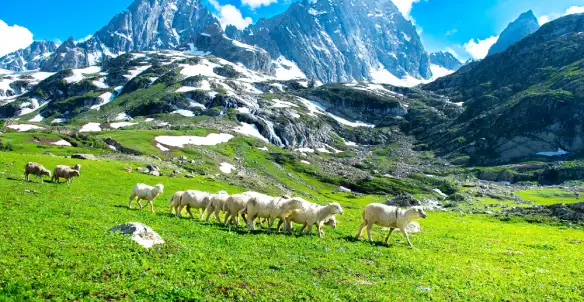
Summer is one of the most popular times to visit Kashmir because the weather is generally suitable for sightseeing and outdoor activities. While many parts of India experience intense heat, Kashmir offers opportunities to enjoy green valleys, mountain scenery, and refreshing surroundings.
Popular destinations include Srinagar, Pahalgam, Gulmarg, and Sonamarg. Visitors can enjoy shikara rides on Dal Lake, explore local markets, admire mountain views, and spend time in beautiful meadows.
May and June are particularly popular for family holidays. July and August can bring occasional rainfall, so travellers should remain flexible with outdoor plans.
Best for: Families, first-time visitors, sightseeing, and outdoor enthusiasts.
Travel tip: Book accommodation in advance during peak periods, especially if you plan to visit popular tourist destinations during school holidays.
3. Autumn in Kashmir (September to November)
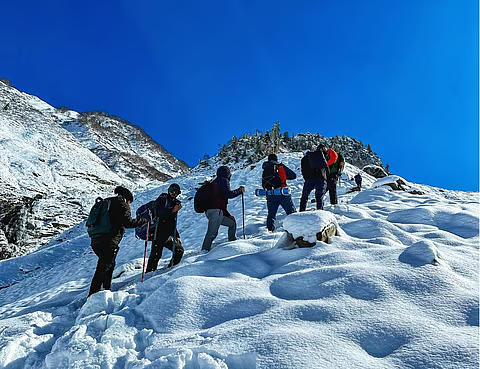
Autumn offers a different kind of beauty. The famous chinar trees gradually change colour, creating golden, orange, and reddish landscapes throughout parts of the Kashmir Valley.
September and October are particularly attractive for travellers who enjoy peaceful surroundings, photography, and comfortable sightseeing weather. The changing foliage around Srinagar’s gardens and the Dal Lake area creates beautiful scenery.
Autumn can also be a good time to explore local culture, sample traditional Kashmiri cuisine, and enjoy scenic drives through the valley. By November, temperatures generally become colder, and visitors should prepare for chilly mornings and evenings.
Best for: Couples, photographers, culture enthusiasts, and travellers seeking a quieter experience.
Travel tip: Pack warm clothing, particularly if you’re travelling in October or November, when temperatures can drop considerably after sunset.
4. Winter in Kashmir (December to February)
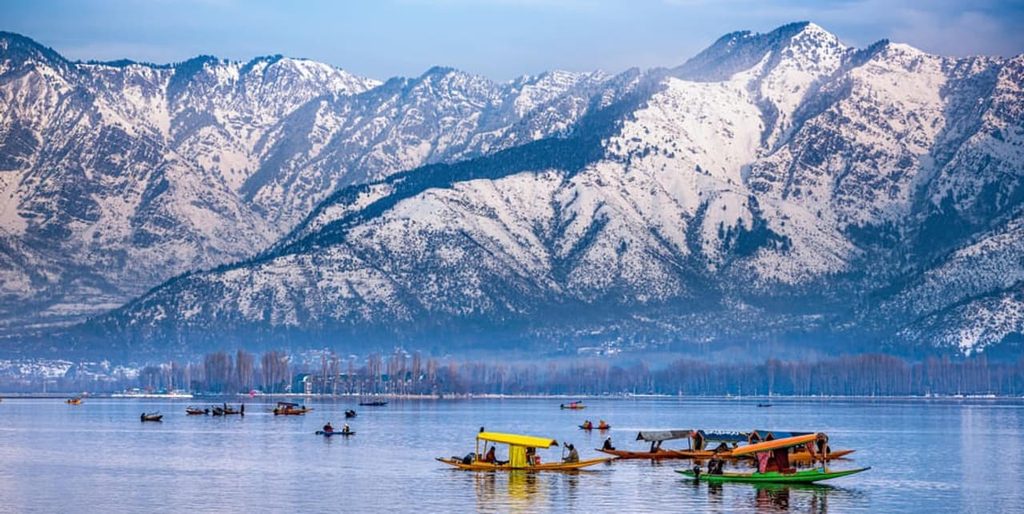
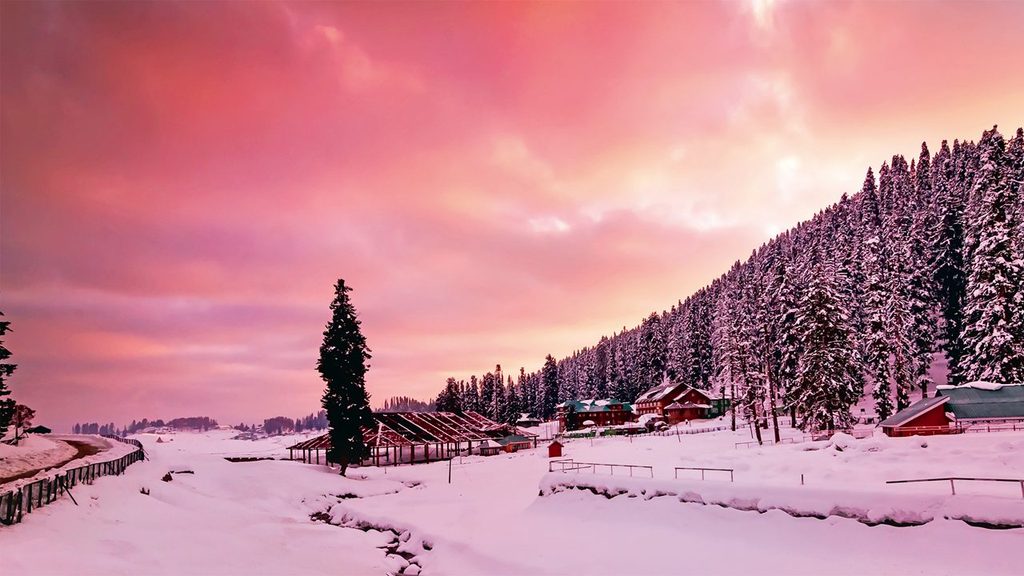
Winter transforms Kashmir into a snowy destination, particularly in higher-altitude areas. Travellers hoping to see snow often choose this season, with Gulmarg being a popular destination for skiing and other snow-related activities when conditions permit.
Srinagar offers a different winter experience, with cold weather, scenic mountain views, and the possibility of snowfall. However, snowfall is not guaranteed on specific dates, and travel conditions can change quickly.
Winter visitors should prepare for low temperatures, possible transport disruptions, and seasonal changes in attraction accessibility. Warm clothing and flexible travel plans are essential.
Best for: Snow lovers, winter photographers, and skiing enthusiasts.
Travel tip: Check weather forecasts, road conditions, and activity availability before travelling to mountain destinations.
Which Month Is Best time to Visit Kashmir?
The ideal month depends on your travel preferences:
- March to April: Best for spring flowers and tulip gardens.
- May to June: Great for sightseeing, family holidays, and green landscapes.
- July to August: Suitable for lush scenery and summer travel, with occasional rain.
- September to October: Ideal for autumn colours, photography, and pleasant sightseeing.
- December to February: Best for snow-focused holidays and winter activities in suitable locations.
Remember that weather conditions and seasonal attractions can vary from year to year.
Conclusion
The best time to visit Kashmir depends on the kind of holiday you want. Spring brings colourful flowers, summer offers green valleys and sightseeing opportunities, autumn showcases beautiful foliage, and winter attracts travellers looking for snow and skiing.
For a first-time visit focused on sightseeing, consider April to June or September to October. If experiencing snowfall is your main goal, plan a winter trip and check local conditions before departure.
Choose your travel dates according to your interests, prepare for changing mountain weather, and leave enough time to enjoy Kashmir’s natural beauty, local culture, and unforgettable landscapes.